Wisdom Blog

Transforming the world of healthcare requires ideas, insights, curiosity, and healthy challenges to the status quo. Our blog contains abundant doses of all of those things.

Clients (Hiring Managers)

Six Years. 1,000 Insights. One Big Truth

MBT Reflections on the Fixable Ills of Holistic Health Care Gale-Force Winds at Our Backs The fields of personal holistic health and professional holistic health care have the wind at our backs like no other time in history. In the Spring of 2025, all of the momentum is moving in our direction in unprecedented ways. Even so, holistic health care practices across the U.S. still struggle to survive, much less grow and thrive as they should in a market that increasingly wants and needs their services. Today is the anniversary of our founding in 2019. Based on six years in business and 1,000 insights from working with practices and practitioners across 22 U.S. states coast-to-coast, MindBody Talent knows why the struggles exist.  Something is seriously out of whack and we know what it is. We are consistently shocked to discover that the most well-known names in Functional and Integrative Medicine, who address and cure supposedly incurable diseases, and are the most sought-after speakers at conferences, can’t figure out how to run profitable practices. As with the majority of patient diseases and maladies, the health problems of health care practices are (at the root) self-inflicted. As with the majority of patient health challenges, these practice challenges are also fixable ills; but only when viewed honestly, humbly, and holistically. The Opportunity Thanks to decades of courageous voices and waves of miraculous health recoveries in the disciplines of Functional, Integrative, Personalized, and Regenerative Medicine, the messages are finally resonating and people are finally waking up. By “people”, that means patients, caregivers, health seekers of all kinds, and health care professionals who entered their professions with the best intentions — to get people well.  Unfortunately, over the last 70 plus years, the odds have been heavily stacked against their success, our success, and patient health. The network of industrial healthcare, led by the pharmaceutical business model of disease management, convinced all of those “people” that treating symptoms of illness with pharmaceutical chemicals was the right path to healing and health. That misguided, dangerous, and deadly emperor is finally being revealed to have no clothes.  Prominent voices that include (among many others): Dr. Mark Hyman, Dr. Casey Means and Calley Means, Dr. Frank Lipman, and the new U.S. Secretary of Health and Human Services, Robert F. Kennedy Jr., are speaking broadly on podcasts, in media interviews, and to the U.S. Congress. They are loudly and strongly waving the flag about holistic health approaches that leverage the miraculous healing capabilities of the human body when those capabilities are not constrained, thwarted, and disabled by pharmaceutical drugs masking symptoms and creating often worse side effects. Those voices, combined with enhanced access to health knowledge provided by the internet and AI (as well as basic common sense) are creating an unstoppable wind in the sails of holistic health and holistic health care practitioners. A  major shift toward rethinking health and healthcare is underway. The cautionary last third of pharmaceutical commercials have become a laughable joke if the first two thirds weren’t so full of dangerous and deadly brainwashing. The pharmaceutical-dominant era is finally being put in its proper place. So why are so many holistic practices struggling and failing?  The Problem  As with the root cause focus of Functional and Integrative Medicine, this practice illness has a root cause. MindBody Talent has consistently seen it first hand for six years. There are vast differences between the models of conventional medicine and holistic health care. The differences that are most relevant here is that conventional medicine practices don’t have to market their services and practitioners don’t have to understand the business of running a practice.  Patients come to conventional physicians through their insurance plans and network referrals. The business side of their practices are generally handled by their hospital or medical group infrastructure. On the contrary, holistic health care practices are typically smaller, privately-owned entities. Within their practices, they somehow have to understand how to market their services and how to hire, manage, and run their practice operations as a business — on top of the complex process of caring for patients.  Those business and marketing skills are not the natural domains of health care practitioners. In fact, we have come to believe (with a six-year base of hard evidence) that physician brains and business brains are wired differently, making it virtually impossible for even the smartest physicians to successfully run a practice business. That is the root cause of why the majority of holistic health care practices struggle and fail, despite the unprecedented market demand for holistic health care services that continues to accelerate. The Truths Today is the 6th anniversary of the founding of MindBody Talent. So far we have served holistic health practices in 22 states across the U.S. In those years we have spoken with and negotiated with over 1,000 practice leaders, some of whom became clients, many more have not.  The following truths apply to 100% of those practices and practice leaders: Awakening and Humble Honesty Needed The wisest and most successful practice leaders humbly recognize those truths. They hire and trust professionals like MindBody Talent to handle their recruiting, marketing, and practice operations.  Recruiting top notch clinical and non-clinical holistic health professionals is extremely difficult work. That’s why MindBody Talent largely stands alone as the only and most successful talent acquisition company in the industry with our focus on holistic health care.  However, even the most brilliant and talented health professionals will struggle to succeed when placed into a practice with poor operations, a dysfunctional culture, and/or ineffective marketing. Our biggest frustration and sadness is watching practices struggle to thrive because they refuse to understand and trust those truths. Frankly, this is the biggest reason why holistic health care overall fails to reach its potential in this country. Time to Break the Mold Health seekers need a different kind of support system from their health care providers. It’s long past time to break the old mold.  The market opportunity for holistic health

Read More »

Hiring Brilliant Talent Isn’t Enough

In holistic healthcare, the right team can make or break a practice. Recruiting brilliant clinical and non-clinical professionals is essential—but it’s only the first step. Even the most highly skilled teams can struggle, stall, or even fail if the practice itself isn’t set up for success. At MindBody Talent, we’ve seen it all. Practices with world-class practitioners and staff still struggle because: ❌ Their mission isn’t clear—leading to misaligned patient attraction and a loss of purpose among the team.❌ Marketing efforts don’t match their mission—bringing in the wrong types of patients who don’t convert, don’t stay, or don’t value the care provided.❌ Internal operations are a bottleneck—creating inefficiencies, staff frustration, and patient churn.❌ Politics and drama infiltrate practice culture—sapping energy, driving away top talent, and creating toxic workplaces. The result? Even with the best doctors, providers, and staff, practices can find themselves in constant struggle mode—overworked, under-performing, and losing ground to competitors. But the best-run practices look much different. They have: ✅ A well-aligned team that shares a unified vision.✅ Seamless workflows that enhance efficiency rather than slow it down.✅ Consistent messaging from the front desk to the exam rooms and back, ensuring patients feel confident and cared for at every touchpoint. Enter Shane and Kelly—the experts in turning struggling practices into thriving ones. Beyond Recruitment: The Next Step in Practice Success For six years, MindBody Talent’s Talent Acquisition Services (TAS) has been the go-to resource for recruiting top-tier talent into Functional, Integrative, Personalized, Regenerative, and Aesthetic Medicine practices. Led by CEO Robin Stewart, MBT has led the market by helping practices across 22 states build high-performing teams. But hiring brilliant people isn’t enough. That’s why we’ve expanded our services to Talent Performance Services (TPS)—a division dedicated to ensuring those brilliant professionals and their practices operate even more brilliantly. Meet the Experts Powering Your Practice Success Kelly Coday, Practice Care Coordinator Think of Kelly as your Practice Care Navigator. Just as Patient Care Coordinators help patients navigate their health journeys, Kelly helps practices uncover hidden inefficiencies, fix operational misalignments, and implement strategies for long-term success. She’s here to provide an objective, expert perspective on your practice’s overall health. Shane Fedderman, VP of Practice Success Shane brings 20+ years of expertise in optimizing healthcare practices, with a proven track record of turning struggling or stagnant practices into high-performing, profitable organizations. He specializes in AI-driven efficiencies, patient acquisition strategies, operational excellence, and practice scalability. With deep expertise in Aesthetic Medicine, Shane also expands MBT’s ability to serve another rapidly growing sector of holistic healthcare. AI + Human Expertise: The Future of Holistic Healthcare Both Kelly and Shane also bring AI fluency to the table—helping practices integrate smart automation, predictive analytics, and patient engagement technology to maximize efficiency and profitability. As AI continues reshaping healthcare, practices that leverage it effectively will outperform and outlast those that don’t. Your Path to a More Brilliant Practice Starts Now With MBT Talent Acquisition Services bringing in the best talent and MBT Talent Performance Services ensuring that talent thrives, we don’t just help build great teams—we help build great practices. Is your practice set up to scale, grow, and thrive? Let’s start with a conversation.  Simply click here and book a discovery call with Kelly today. Let’s map out your path to a more brilliant 2025 and beyond. Talent Evolved. Healthcare Elevated.

Read More »
Clients (Hiring Managers)

Find Your Path to Patient Growth with Targeted Healthcare Marketing

Let’s face it—marketing your practice in today’s fast-paced world can feel like trying to navigate a maze with a blindfold on.  Targeted healthcare marketing is your way out, a strategy that ensures your message doesn’t just get seen—it gets heard by the right people. Why Targeted Marketing Matters Marketing isn’t about shouting louder than the competition; it’s about singing the right tune to the right audience. By focusing your efforts on patients who need your services most, you’re not only filling appointment slots but also creating meaningful, lasting relationships.  Consider this: Healthcare marketing is evolving rapidly, and patients expect more. Did you know that 77% of patients search online before booking appointments? If your practice isn’t speaking their language, you are likely missing valuable patients … and income. Questions to Ask Yourself: Steps to Effective Targeted Marketing Marketing your practice isn’t rocket science, but it does require strategy. Why not make every move count? Want actionable advice tailored to your practice?  Book a free discovery call today  We’ll help you discover your right path to growth!

Read More »
Clients (Hiring Managers)

Turning Numbers into Patients: The Power of Data in Growing Your Practice

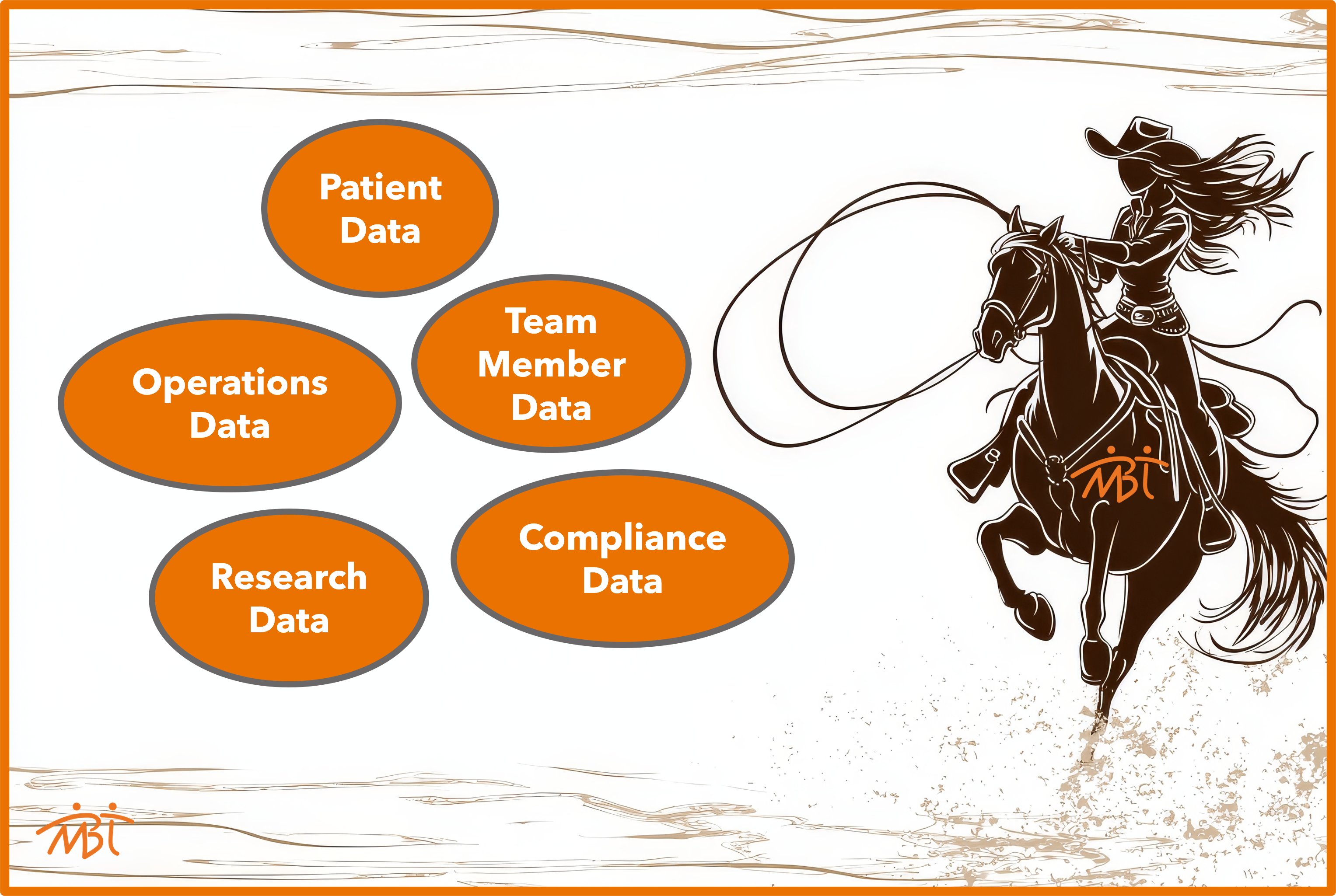
Lassoing all of the data it takes to run your practice doesn’t need to feel like chasing a herd of untamed beasts.  Turning data into knowledge is your secret weapon for building a thriving practice.  How Data Works for You Data empowers you to make smarter, more informed decisions. It’s like upgrading from a flip phone to a smartphone—it changes everything. Here’s how: And get this—73% of healthcare leaders say data analytics has transformed their patient acquisition efforts. What are you waiting for? Questions to Ask Yourself: How to Get Started Lassoing Your Valuable Data Imagine if your practice operations, patient recruitment, and care plans were guided by a GPS. That’s what data analytics can do for you. Data isn’t just numbers on a spreadsheet—it’s the map to your practice’s future. Curious about how corralling your data can unlock new possibilities for your practice?  Book a free discovery call  Let’s explore the potential together!

Read More »
Clients (Hiring Managers)

Marketing ROI Made Simple: Maximize Your Practice’s Success

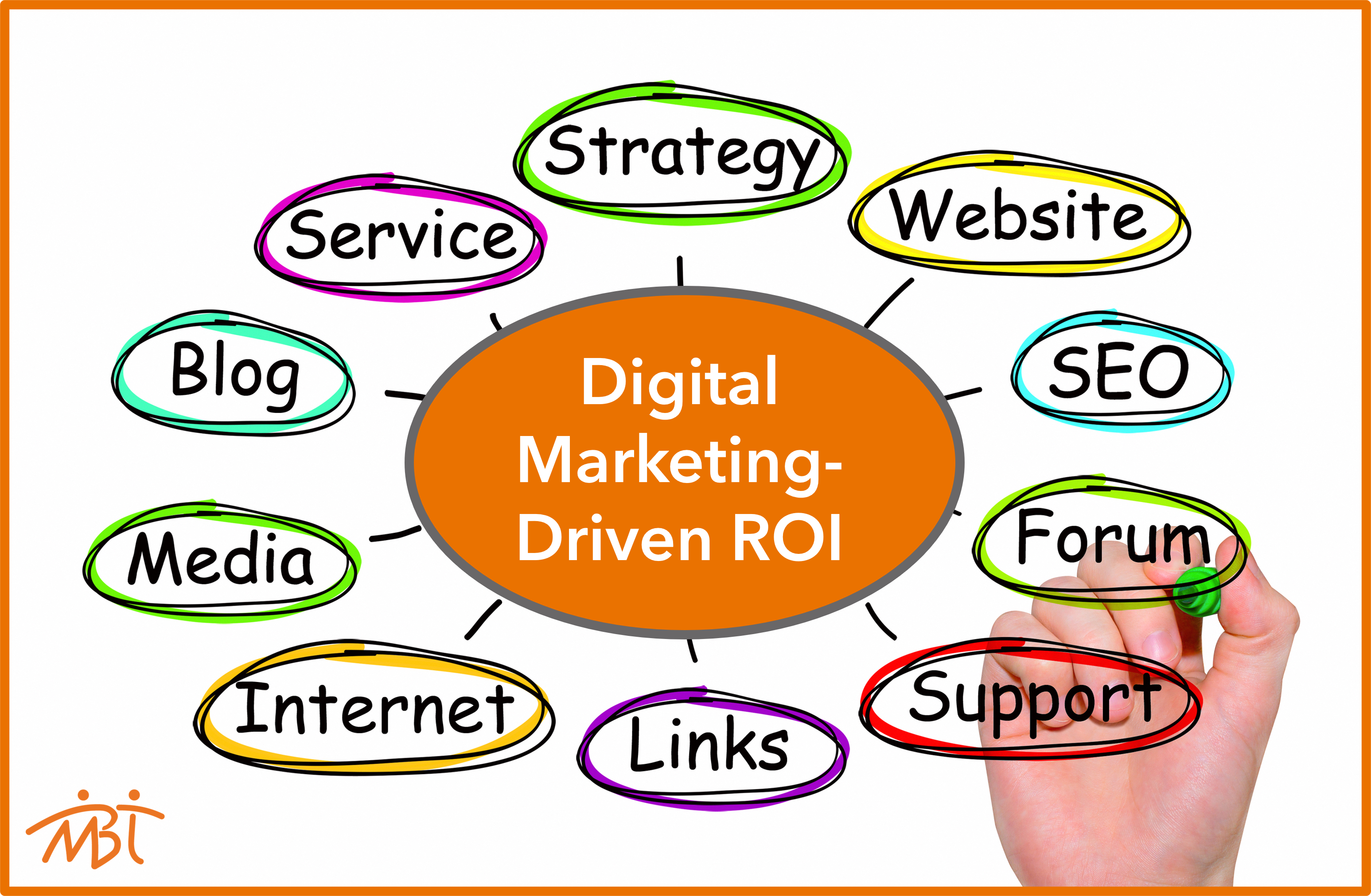
Let’s be real—ROI isn’t the most glamorous part of marketing, but it’s where the magic happens.  Tracking and improving your ROI is like finding the cheat code to leveling up your practice. The Building Blocks of ROI ROI is the ultimate metric for marketing success. Here’s why it matters: Want proof? Marketing analytics isn’t just nice to have—it’s essential. Practices tracking ROI closely report 2.5x better outcomes compared to their peers. Questions to Ask Yourself: Tips to Boost Your ROI With the right tools and mindset, ROI can become your best friend instead of a mystery. Want to see real results in your marketing?  Book a free discovery call today  We’ll help you maximize your success!

Read More »
Clients (Hiring Managers)

Concierge-Inspired Healthcare: Strategies for Specialized Medical Practices

Think leadership in healthcare has to be all seriousness and no fun? Think again. Great leadership is about turning your practice into a backstage VIP area where your team thrives and your patients feel like treasured rockstars. What Makes Healthcare Leadership Great? Leadership in specialized medical practices isn’t just about making big decisions—it’s about creating an environment where everyone wins. Successful leaders focus on: Fun fact: 88% of employees say a strong leadership presence inspires them to go the extra mile. Are you inspiring your team? Questions to Ask Yourself: Steps to Amplify Your Leadership Skills Healthcare leadership isn’t just about being talented clinicians—it’s about orchestrating practice-wide harmony and something unique across the entire patient journey. Want to take your leadership game to the next level? Book a free discovery call today Let’s brainstorm your next encounter-worthy move!

Read More »
Clients (Hiring Managers)

HR, Payroll, and Compliance Headaches? Here’s the Superpower Cure!

Managing a practice is no walk in the park, right? Between payroll snafus, compliance mazes, and trying to offer benefits that don’t break the bank, it can feel like you’re juggling flaming swords. Enter Stitch PEO—your all-in-one solution for handling the not-so-fun stuff. And guess what? MindBody Talent has partnered with them to make it even easier for your practice to level up. 1. Bye-Bye Paperwork, Hello Patients Ever feel like HR tasks are multiplying faster than your to-do list? Stitch PEO swoops in like a superhero with cutting-edge tech that makes managing employees (and your sanity) a breeze. 2. The Perks Without the Price Tag Want to wow your team with awesome benefits? Stitch lets you access packages that rival the big guys—without you needing a billionaire’s budget. 3. Compliance? Nailed It. Labor laws are like that one college professor—impossible to keep up with. With Stitch, they handle all the fine print, so you can avoid costly mistakes (and lectures). 4. Save Money, Save Stress Keeping things in-house can cost a pretty penny. Outsourcing with Stitch cuts down on overhead, reduces risks, and keeps everything running smoother than a well-oiled machine. 5. Focus Where It Matters Your patients are your passion. Let Stitch handle the payroll puzzles and HR headaches so you can focus on the care that makes your practice shine. Take the stress out of running your practice by outsourcing HR, payroll, and compliance to Stitch PEO. With MindBody Talent by your side, leveling up your practice has never been easier—or more effective. Book your free discovery call today by clicking here. Ready to see how it works? Book your free discovery call today and start your journey to a streamlined, stress-free practice!

Read More »
Candidates (Job Seekers)

Robin Stewart’s Story and the Birth of MindBody Talent

Robin Stewart envisioned and co-founded MindBody Talent with Richard Hoffmann in April of 2019. Both of them had driving motivations to transform healthcare from an industry focused heavily on pharmaceutical drugs back into a healing profession that understands how to enable the human mind and body to heal itself.  Robin and Rich had both experienced too much that was wrong with a system dominated by pharmaceutical-based management of disease rather than actually curing and reversing diseases and chronic illnesses. In Robin’s case, the disease was her own. This is Robin’s story … After five years in business as MindBody Talent, we’ve now heard similar stories to Robin’s so many times from converted conventional medicine practitioners that we could search and replace “Robin” in this story with 100 other names. The core story would be the same. It’s kind of like a Hallmark channel movie plot … boy finds girl, boy loses girl, boy gets girl back again. In this case, it’s health that is lost and found. In both cases, nothing is the same afterwards. Turn the clock back ten years …  As a woman in her mid-40’s, Robin found herself verging on the age and textbook conditions of menopause. Her otherwise vibrant and energetic life was turning south with symptoms that neither she nor her conventional medicine doctors could fully understand or explain. Robin was wrestling with debilitating fatigue, she had brain fog, her sleep was erratic, she had muscle weakness, her hair was thinning and falling out, and (as Robin explains it) she was “putting on weight like it was my job.” All of that was highly unusual for a woman who had lettered in four sports in high school, had a productive career as an Executive Recruiter, and was raising an active daughter as a single mom. She was a busy woman with a busy life. Robin had no time for what had become chronic health symptoms that were constantly dragging her down. The conventional medicine path … Like the majority of people seeking medical solutions, Robin turned to conventional medicine doctors for help. The usual pattern began. Tests were run, prescriptions were written, and Robin went on her way. The symptoms continued and in some cases grew worse. More prescriptions were written with more side effects and more approaches tried. Robin continued to feel awful, struggling with the same and additional symptoms that were continuing to frustrate her and make her life miserable. For almost five years, Robin and her doctors tried prescription after prescription and she was worse off than when she started. The last straw for Robin came when her endocrinologist told her, “I’m going to write you a prescription for an antidepressant. Your labs are normal and everything is fine.  This appears to be all in your head.”  Being a tough and blunt native New Yorker, Robin told the doctor exactly what to do with his prescription pad. She was not depressed. She had an illness that her doctor had no idea how to diagnose or solve.  Robin left his office (and conventional medicine) with a renewed commitment to find a better way out of her health challenges. Discovering Functional Medicine … Coincidentally (or not), Robin had just received a recruitment search assignment to find a Functional Medicine doctor for a high-end health spa that was adding holistic health services to their range of offerings. At that time, Robin had never heard of Functional Medicine, but she was intrigued. The more she researched the field in preparation for her search project, the more she wondered if Functional Medicine could help her.  Robin found a Functional Medicine physician who quickly turned her previously undiagnosed autoimmune disorder into a diagnosis. Robin had been struggling with Hashimoto’s Disease, which was attacking her thyroid and causing all of the symptoms she had been experiencing. What her conventional medicine doctors had been fiddling with for over four years, unable to successfully diagnose and treat, her new Functional Medicine doctor pinpointed and clarified within weeks.  Robin’s new physician recommended a range of nutritional supplements and some lifestyle changes that included different food choices, modified exercises, and better sleep hygiene. Within five months, Robin had been weaned off of all of her previous pharmaceutical medications, her range of symptoms were gone, and her Hashimoto’s Disease was in remission.  A new mission and the birth of MindBody Talent … As important as her health recovery, Robin had the seed of a new mission … to help other people to not endure what she had endured on her journey back to health. She also had a new one-liner to use when describing her experience, “Once you see Functional Medicine, you can’t unsee it.“ In MindBody Talent’s daily discussions with physicians, Nurse Practitioners, Physician Assistants, and specialty nurses across the U.S. who have converted away from conventional medicine, the stories are often a repeat of Robin’s story. Either they or someone close to them became sick, really sick, with a chronic illness or complex disease. Months, years or decades of searching for answers in the conventional medicine world yielded nothing but bottles of prescription drugs and a range of side effects, on top of their core base of symptoms. In her book, “A Nation of Unwell: What’s Gone Wrong?” Kristine Gedroic, MD tells her own identical story. Through her illness and recovery, Dr. Gedroic was awakened to the fallacies she was taught in medical school, including the devastating consequences for patients treated with the conventional medicine approach.  In her book, Dr. Gedoric explains the problems clearly, “As physicians, we are not trained to consider why patients are having symptoms in an attempt to correct the underlying cause. We are taught to ask the questions we need to have answered in order to add up to a particular disease or diagnosis, and we are trained to consider what medicine will help with the symptom and make the patient more comfortable or less at risk. We then discard all the other elements that seem

Read More »
Practices and Practitioners

10 Creative Ways To Increase Patient Satisfaction

Recently there has been a rise in medical practitioners acknowledging their patients are dissatisfied with their service. Most of the dissatisfaction comes from misdiagnosis and poor service. When patients walk through the door, they come with high expectations. Before visiting a certain practice, they will often use tools such as reviews and social media to do their research ahead of time. And if you have bad reviews, potential patients will likely go elsewhere. We are in an age where practitioners and other clinicians must raise the bar for the overall patient experience. We are an ideal source of referrals and this will help the practice grow. Today we will look at ten creative ways you can implement to improve overall patient satisfaction. Are you looking to get into a career in functional Medicine? Let MindBody Talent guide you in the right direction by pairing you with the perfect employer focused on the field of holistic healthcare. Visit our website today to talk to one of our specialists! 10 Creative Ways To Increase Patient Satisfaction 1. Engage With Your Patients Online Many patients will want to interact with your practice before ever meeting you in person. That’s why first impressions are crucial. Utilizing avenues such as websites, contact forms, and chatbots are ways that future patients can get to know you before they even step into your office. Patients also want convenience when booking appointments, so having online appointment applications on your website also helps. 2. Improve communication with patients The first step in patient communication is answering phone calls promptly or returning them if you can’t get to them the first time. If your staff doesn’t have the answers immediately for the patient, ensure there is a plan to refer them to someone who can help.  Making sure that office staff answers emails back promptly after receiving a “contact us” form from the website, for example, is vital as no one likes to wait for an answer. Related Links: The Hero’s Journey Of Functional Medicine in 2022 3. Create an appointment process To have a successful practice, you must have an appointment-setting process and a rescheduling process that makes it simple for patients to use. Keep the office lines open if you can during lunch, and if you can’t, make sure there is an alternative way for patients to get ahold of someone.  4. Be Quick About Answering and Returning Phone Calls You should never keep patients on hold for more than 15 seconds, especially new ones. Also, try to avoid transferring calls — this can frustrate the patient and give them a sense of disorganization within your organization. Establish a time frame with your office staff in which to return phone calls and emails. Set the standard high because this can be the difference between getting a new patient, to having one leave you for another clinic. Related Links: Health and Wellness Branding Tips For Functional Medicine Practitioners 5. Create A Simplified Billing Process Billing patients is a necessary evil, but make sure the process is easy and allows customers to pay their bills in full using various methods of payment.   Your staff should be knowledgeable and trained on how to discuss payments with customers and how to collect them without causing angst among your patients. Make sure the bills’ explanations are clearly understood and the components that make up each bill. 6. Ask Your Patients To Provide Feedback The only way your practice will improve is to allow customers to provide feedback. Don’t be afraid of feedback, and use it to enhance your practice and grow for the better. Encourage your patients to give reviews on your Google My Business page and other prominent social media sites such as your Facebook page. Make it easy for them to post reviews by providing links to your review pages. You can also create surveys and ask your patients to fill them out, whether in person or via email. Patients will enjoy giving you their feedback if they are a long-time customer because they ultimately know that it will improve their own experiences down the road as well. Are you a Functional Medical practice looking for the ideal candidate with holistic medicine experience? Visit MindBody Talent to find the perfect match for your practice! 7. Create Ways To Stay In Touch With Your Patients Follow-up is extremely important because it gives your patients a stronger sense of worth to your practice and helps to establish a bond with their doctors and the practitioners who care for them.   Start by sending out monthly newsletters and giving your patients advice and tips about generic healthcare items, for example. Make sure you include an opt-in area on your website, as well as opt-out links at the bottom of each newsletter.   8. Cultivate long-term relationships Make sure you focus on the long-term relationship with your patients and not just the short-term. Building rapport and getting to know your patients personally may seem minor, but it goes a long way in an industry where many medical practitioners have too many patients and not enough time. Sending simple things like birthday cards and holiday well-wishes can go a long way in showing that you value your patient’s business. You may even train your staff to pick up the phone and make a call once a year to your patients to check and see how they are. Related Links: Embracing Lifestyle Health 9. Provide More Education and Resources To Your Patients Providing your patients with the knowledge they require to improve their health and adopt a healthier lifestyle is critical to the patient experience.  Education is fantastic for establishing trust and authority among your patients. It’s essential during the winter months, for example, that your patients have resources and know about any particular strains of the flu that may be going around. Provide solutions to their problems and become the primary “go-to” practice for all of their health needs. 10. Empower your Clinical Team Teamwork makes the

Read More »
Practices and Practitioners

How Much Do Functional Medicine Doctors Make?

The Economics of Functional Medicine The primary focus of Functional Medicine is on the healing of patients from chronic illnesses and complex diseases. However, if any physician doesn’t pay attention to the revenue and profitability side of their practice, they won’t be able to stay in business or reach all of the patients who need their care. There is definitely money to be made in the discipline of Functional Medicine, but it may not be as baked-in and obvious as the world of pharmaceutical prescriptions and insurance reimbursements inherent in conventional medicine. As with the path of healing that Functional Medicine explores, the path to revenue may require additional creativity. Most people understand what a doctor does and the fact they make a significant annual salary. But many people looking to enter the medical field are hearing more and more about becoming a Functional Medicine doctor without knowing exactly how much they make. Today we will look at how much a Functional Medicine doctor makes, what they do, and whether or not becoming a Functional Medicine doctor is right for you. Let’s dive in! What Is Functional Medicine? Functional Medicine focuses on figuring out and addressing the root cause of a disease based on an interconnected, biology-based approach. Each symptom a patient has can be just one of many symptoms contributing to the person’s illness. When the patient receives their diagnosis, it could be the result of several factors. For example, depression is a symptom. Many people feel depressed, but this symptom can be caused by other issues such as inflammation and headaches.  The causes of these symptoms can be influenced by the patient’s environment, genes, and lifestyle. Treatments that address these causes can then have a positive, long-lasting impact on the individual, beyond simply addressing the symptom of depression. Are you looking to get into a career in Functional Medicine? Let MindBody Talent guide you in the right direction by pairing you with the perfect employer focused on the field of holistic healthcare. Visit our website today to talk to one of our specialists! What Is A Functional Medical Doctor? Many people don’t know or have never heard of a Functional Medical Doctor. As mentioned above, Functional Medicine is a holistic approach whose mission is to treat a patient’s condition by finding the leading or root cause of the disease.  If you have chronic pain or illness, using a more holistic approach to your disease gives you greater leverage to solve your problems over time because you are being treated as the whole person. Functional Medical Doctors believe that all of your issues are intertwined instead of isolated. Functional Medical Doctors use processes that look at a patient’s interaction between their biochemistry, genes, and pathophysiology to develop their medical solutions. Related Links: The Hero’s Journey Of Functional Medicine in 2022 How Much Do Functional Medical Doctors Make? Depending on your state, on average, functional medical doctors can make anywhere between $125,000 to $205,000 per year. According to Zip Recruiter, as of Oct 17, 2022, the median pay for a Functional Medicine Doctor in the United States is about $175,000 per year. If you want to dive a little deeper into details, $175,000 per year works out to be $14,591/mo, $3,367/week, and around $84.18 per hour.   Even though there have been reported much higher salaries, around $340,000, this is not normal. Right now, the Functional Medical Physician is in the 25th percentile regarding salary range.  Because of the extensive range in Functional Medical Doctors’ pay, this means there are lots of opportunities out there. Differences in salary will be based on years of experience, location of practice, and personal skill level.  Related Links: Health and Wellness Branding Tips For Functional Medicine Practitioners Is a Functional Medical Doctor Worth The Money? Many people wonder if adding a Functional Medical Doctor to your healthcare regimen is worth it. This will depend on several factors. Let’s go through some of the things you should ask yourself below.  Are You Open To Alternative Medicine? In the beginning, we mentioned that Functional Medicine is a growing field of medicine that uses a different approach for treating chronic illnesses. If you are someone who has tried everything from a traditional medicine standpoint, Functional Medicine is certainly an option worth exploring. Please note that healthcare insurance plans typically don’t cover visits to Functional Medical doctors, so ask about payment plans when searching for the right doctor for you.  Are you a functional medical practice looking for the ideal candidate with holistic medicine experience? Visit MindBody Talent to find the perfect match for your practice! Are You Ready To Get Out Of Your Comfort Zone? Functional medicine treatment centers around patient-focused care and individualized care plans created by your health practitioner.  Functional Medicine is very different from traditional medicine practices. These types of treatment centers focus on patient-focused whole healthcare based on lab work, health history interviews, and diagnostic imaging.  Once the above is completed, the assessment will tell your Functional Medical Doctor how your body systems interact through a biology system-based perspective. Typically, you will be asked to actively participate in your own wellness journey. This may require you to make diet or lifestyle changes, which can often be uncomfortable at first.  Are You Ready To Build New Habits? Bad habits are what get many people in trouble in the first place. Overeating, drinking too much alcohol, and smoking are some of the top culprits to bad health. The trick to making yourself healthier is to change those bad habits and make a pledge to yourself you will maintain those good habits over time. A Functional Medical doctor may give you a specific plan that addresses the needs to solve your issues. Some habits will be harder to change than others, so be prepared to be vigilant and stick with your plan in order to see the results you want in your health.  Just like any other changes in life, it won’t happen overnight. You will

Read More »
Practices and Practitioners

The Hero’s Journey of Functional Medicine

The Braver Path of Health Care Health care practitioners who pursue the path of Root Cause patient care are some of the bravest people we know. Despite battling enormous odds, billions of dollars of industry propaganda, and relentless misconceptions, they have chosen this far more difficult path in order to bring real healing and disease recovery to their patients. Their path is far longer and requires more patience. Financially, there is little-to-no support by the insurance industry or the more profitable, quick-fix pharmaceutical solutions. They are often ridiculed by “conventional medicine” practitioners who spread falsehoods saying that Functional Medicine solutions are “alternatives” to “real” healthcare protocols and not backed by science. Many are even accused of “quackery”. Still, Functional Medicine practitioners know the truth. Their Hero’s Journey takes them on a path of diligent detective work to determine the root cause of complex diseases and chronic illnesses. Then they define healing paths for their patients that change lives, even save lives that conventional medicine views as lost causes. Overview of Functional Medicine Functional Medicine can seem like an ambiguous term. Although this area of health care is becoming more mainstream, it’s still a pretty new concept to the general public, as well as to many doctors. The term and practice of Functional Medicine refer to something entirely different from the standard model of care that is often called “conventional medicine”. Let’s explore the hero’s journey in Functional Medicine. Related: Fueling the Healthcare Revolution Great physicians treat the whole patient and root causes of disease, rather than managing disease by treating the symptoms of isolated problems. That’s the core principle of Functional Medicine; it takes a whole body, biology-based approach and focuses on determining and solving the root cause of illness. Functional Medicine practitioners take a holistic approach to understanding their patients and designing a unique medical plan for their needs. By combining a clinical approach, environmental influences, and imbalances in the body, they can design care plans that restore health and vitality to their patients. For example, instead of prescribing a drug to treat the symptoms of a disease, a Functional Medicine doctor would dig deeper into why their patient has those symptoms in the first place and work toward addressing the cause. There are five core principles of functional medicine: Functional Medicine Practitioners Face Challenges A career in Functional Medicine brings some unique challenges. For example, Dr. Cheryl Winter (a Functional Medicine practitioner) talks about her biggest challenges getting into the field during this interview. When asked about her most significant challenge in building her Functional Medicine practice, Dr. Winter replied that the financial aspect was the hardest to overcome. Getting certified in Functional Medicine isn’t cheap or easy, leading many healthcare professionals to pursue career paths in other disciplines. She does have some advice for those wanting to start a functional medicine practice: Don’t do it all alone. You can’t accomplish everything required for a Functional Medicine clinic alone without more hours in the day — you’ll get burnt out. Instead, work with someone experienced in the Functional Medicine field, like our experts at Mindbody Talent. Overwhelmed with the challenges of practicing Functional Medicine? We can help you set your practice up for success. Some Practitioners Want To Focus on Solving Patient Problems Functional Medicine is more complex than conventional medicine, taking additional time and engagement with each patient. And while conventional medicine can be great for treating emergency and acute medical situations, Functional Medicine is much better suited for discovering root causes to treat chronic illnesses and complex diseases. Why? Because Functional Medicine practitioners focus on quality over quantity, spending more time with their patients. The appointments are longer and go more in-depth to focus on each patient’s specific health needs. Functional Medicine focuses on solving a patient’s problems — not just their symptoms. It’s not about getting a “quick fix;” it’s often a process that takes time, detective work, and active cooperation from patients to be successful. Patients who have seen traditional doctors without getting effective treatment often seek out Functional Medicine providers to dig deeper into the root of their health issues. Healing at the core of what’s ailing patients is where Functional Medicine doctors excel. Facing Other Challenges Unfortunately, there are many lines of resistance to Functional Medicine. Functional Medicine Practitioners Have Better Outcomes Even with these challenges, a career in Functional Medicine is a fulfilling one that offers practitioners a better work-life balance than conventional medicine and better collaboration with like-minded healthcare professionals. And collaboration is a big part of Functional Medicine, giving patients better care and, ultimately, better outcomes. Not to mention that clinicians can typically generate more revenue and work fewer hours. This model helps to prevent burnout. Functional Medicine is a promising field that offers long-lasting benefits to providers and patients alike. Patients Receive Better Care Let’s look at some findings from the Cleveland Clinic’s recent study to see how Functional Medicine helps provide patients with better care. Some of the most significant results include: These results likely occur because Functional Medicine practitioners look at their patients as a whole, understanding how the mind, emotions, spiritual state, and environment all play important roles in overall health. Patients are treated as an individual, not another number in the healthcare system. Looking for the best place to make a difference in your patients’ lives? Find the perfect practice and role for your skillset with our expert candidate placement services. Functional Medicine Is a Rewarding Discipline Part of Functional Medicine’s allure — and why academic medical centers like the Cleveland Clinic continue to embrace it — is the shift from patient volume to patient outcomes. And the success of Functional Medicine doctors comes from their approach to care, which consists of addressing the root cause of disease or illness and partnering with their patients to help heal their bodies. Another reason why Functional Medicine is such a rewarding discipline is that practitioners can surround themselves with other healthcare professionals asking the same

Read More »
Practices and Practitioners

The Healthcare Twist on the Great Resignation

The mass exodus of unhappy workers — also known as the great resignation — has hit traditional healthcare harder than many other industries. The field has recently lost around 20% of its workforce, including 30% of its nurses. In 2022 alone, millions have quit their healthcare jobs — but why? According to one report, 28% of them quit due to burnout. This great resignation creates fears of future staffing shortages, but it also raises another question: Where are these healthcare workers going?  Many take other jobs in the healthcare industry, resulting in doctors and nurses pursuing other medical disciplines,including the field of functional medicine. Related: Embracing Lifecycle Health COVID-19 Accelerates the Healthcare Worker Burnout Healthcare workers took a unique hit during the great resignation — the pandemic caused many of them to be affected by death, trauma, misinformation, and abuse on a massive scale. The result was healthcare workers were unable to perform their jobs safely and with the same satisfaction. We cannot underestimate the effect of COVID-19 on our healthcare workers. In some of the major cities reported by news, the frequency of tragedy and death, especially during the peak COVID waves, was more than most healthcare workers ever experienced. The number of deaths across the age spectrum was more than many nurses and physicians knew how to process. And with many healthcare clinics closed to the public during the height of the pandemic, the connections between healthcare professionals and their patients suffered.  Finally, the politicization of many healthcare decisions was (and still is) highly stressful to doctors and nurses across the country. These healthcare workers interact with patients, families, and colleagues, behaving uncivilly. Doctors Moving Towards New Medical Disciplines During the great healthcare resignation, physicians search for new ways to treat their patients better while still caring for themselves. And the field that many have gravitated to is functional medicine. Functional medicine allows physicians to take a personalized approach with their patients, re-establishing the connection they lost during COVID closures. This field also helps alleviate the shortcomings of conventional medicine that many healthcare professionals are finding during this period of extreme burnout. And while conventional medicine will always play a role in urgent and acute care, it’s hard to ignore its shortcomings in other cases. Thinking about moving to a different discipline like functional medicine? See how we can help you find the perfect role. But why this shift to other medical disciplines? Why functional medicine specifically? Functional Medicine Is More Important Than Ever Functional medicine isn’t about treating symptoms; it’s about identifying and addressing the underlying cause of a patient’s symptoms. Functional medicine doctors aim to treat the whole person. Aside from the typical shortcomings of conventional medicine, various trends worldwide are making a perfect storm of healthcare crises. The pandemic aside, chronic illness rates continue to rise — so are treatment costs. Related: How MBT Fuels the Wellness Revolution This predicament can mean more profit for the world’s largest industries, like pharmaceutical companies — solving these chronic illnesses rather than treating them isn’t necessarily in their best interests. Doctors and healthcare professionals are gravitating to functional medicine to solve the issues of: The Traditional Healthcare Resignation: Making the Move to Functional Medicine We could talk about physician burnout all day — and COVID-19 only made it worse — but we’d we’re more excited to focus on where the healthcare professionals are going after resigning. The move to functional medicine creates a new model for primary care — one based on relationships, leading to better outcomes for doctors, nurses, and their patients and colleagues. Some of healthcare workers’ greatest skills include connecting, listening, and collaborating across highly complex systems; however, they rarely get to use those skills in the “one and done” mindset of conventional medicine. Functional medicine allows these healthcare professionals to lead a fulfilling career by working together with each other and their patients instead of sending a referral or prescription and moving on to the next number in line. Functional Medicine Practitioners Must Adapt To the Post-Pandemic World Going beyond COVID-19, healthcare workers — and the healthcare system as a whole — must undergo serious changes, or the great resignation may only worsen. Providers and health systems must have open and honest discussions about the future of healthcare, including topics like: Patients Prefer Functional Medicine Post-Pandemic There’s another reason why healthcare providers are increasingly taking a functional medicine approach: Patients are rapidly moving to functional medicine practitioners, especially in the post-pandemic landscape.  They’re sick and tired of, well, being sick and tired. They don’t want a pill to fix their symptoms; they want a personalized treatment plan to better manage or eliminate them. Functional medicine focuses on health and takes an evidence-based approach to treatment. It’s also patient-centered — providers look into why their patients aren’t feeling well instead of only treating their symptoms. Functional medicine is personal. Providers put their patients in charge of their health. It’s a joint effort to develop a plan that allows each individual to pursue their ideal health and take control of their well-being. Patients are ditching procedures and prescriptions in favor of treatments that do more than alleviate symptoms; they tackle your health problems as a whole. The time to make the move to functional medicine is now — learn how we help wellness practitioners provide expert service at Mindbody Talent. Healthcare Has Been Affected By the Great Resignation Undoubtedly, the great resignation significantly affected (and continues to affect) the healthcare industry. However, it’s not all bad. Because many burnt-out healthcare workers are turning to functional medicine after leaving their other roles, doctors, nurses, and patients are all experiencing better outcomes. The healthcare twist on the great resignation doesn’t have to be a recipe for disaster — it can be a recipe for much-needed change in the field. Related: Fueling the Healthcare Revolution

Read More »

Website Proudly Supported by The Valley List